Hormone Optimization for Men and Women in Crestview, FL
More energy. Better strength and body composition. Restored drive and sexual health. Greater clarity through perimenopause and menopause. These are common goals that bring patients to Alpha Care, where we evaluate how hormones interact with thyroid function, metabolism, sleep, stress physiology, nutrition, and overall health.
Hormone optimization at Alpha Care is comprehensive integrative care with coordinated medical management when indicated. It may include natural hormone balancing and optimization, testosterone replacement therapy (TRT) for men, bioidentical hormone replacement therapy (BHRT) for women, and evaluation of related thyroid, metabolic, and stress physiology. Dr. Rizzo brings advanced expertise in metabolic endocrinology to connect your symptoms, history, goals, examination findings, and laboratory data into one clear clinical picture.
Depending on the findings, care may include nutritional and lifestyle support for natural hormone function, precision hormone replacement, hormone-stimulating therapy, management of problematic metabolites, additional diagnostics, or a combination of approaches. When medication is warranted, Dr. Rizzo works closely with staff licensed medical prescribers, who make the final prescribing decisions while he remains involved in your ongoing integrative care.
Every plan follows both the laboratory picture and the person. We look at treatment response, symptoms, function, tolerability, priorities, and safety findings over time because outcomes are shaped by multiple pathways and variables. Patients travel to our Crestview office from across Northwest Florida, including Niceville, Destin, Fort Walton Beach, and Navarre, for this kind of coordinated, lab-guided hormone care.
Biochemical individuality matters. Two patients can receive the same testosterone dose and reach similar serum testosterone and estradiol levels, yet one may feel excellent while the other feels average or continues to struggle. One person may feel and function well with a testosterone level near 600 ng/dL, while another may still feel poorly near 1,000 ng/dL. The number alone does not determine health, symptoms, or the quality of a treatment response.
Hormones do not operate in a vacuum. How you respond may also involve hormone receptors, conversion into downstream metabolites, enzymes and nutrient cofactors, feedback loops, gene expression and protein synthesis, thyroid and adrenal function, insulin and metabolic health, inflammation, genetics, nutrition, sleep, stress, training demands, and the balance between repair and catabolic stress. Testosterone is a major pillar of metabolic endocrinology, but it is one part of a larger systems-biology picture. That is why we interpret laboratory findings alongside your symptoms, function, health history, and response over time.
How We Help You Move Forward
Patients come to Alpha Care for a deeper, more connected understanding of their health. Dr. Rizzo organizes the full picture, explains what the findings may mean, and helps you understand the most promising options for your goals.
- Make sense of persistent symptoms. We connect your history, symptoms, examination findings, and laboratory data so you are not left trying to interpret isolated numbers on your own.
- Look beyond one hormone. Testosterone, estrogen, progesterone, thyroid function, insulin resistance, sleep, stress physiology, nutrition, medications, and cardiovascular health can overlap. We evaluate the relationships that may matter in your case.
- Support natural hormone function. When appropriate, care may address nutrition, micronutrient status, body composition, sleep, training, metabolic health, and other factors that influence hormone production and metabolism.
- Explore precision hormone therapy. When replacement, stimulation, or management of problematic metabolites is clinically reasonable, the options are selected from your individual clinical picture and monitored over time.
- Address concerns that affect daily life. Care may focus on energy, mood, motivation, sleep, strength, body composition, sexual health, menstrual changes, perimenopause, menopause, and other concerns that can meaningfully affect quality of life.
- Coordinate a connected plan. Dr. Rizzo remains involved when pharmaceutical care, additional diagnostics, imaging, or referral is needed, helping keep the nutritional, metabolic, hormonal, and medical pieces connected.
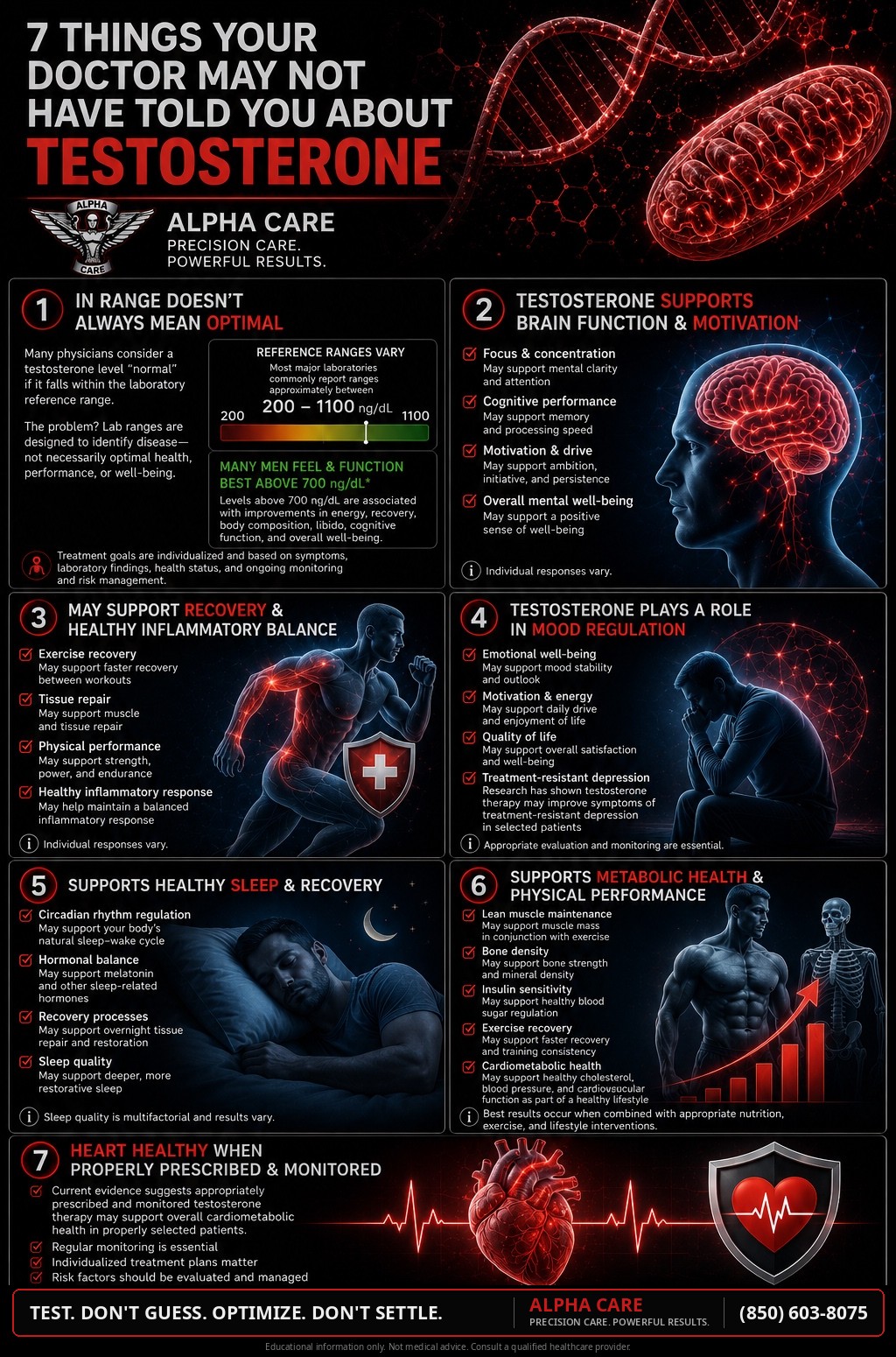
"In Range Is Not Always Optimal"
Laboratory reference intervals describe results found in a defined comparison population. They are not, by themselves, a personalized treatment target or a complete explanation for how a specific person feels or functions. Two people can have results inside the same reference interval yet differ substantially in symptoms, health history, medications, metabolic health, sleep, and other clinically relevant factors.
This is the philosophy behind how we practice: being in range does not necessarily mean that every system is functioning at its best, and being outside a range does not automatically mean that one value explains a symptom or requires treatment. A laboratory number is one important input within a larger clinical assessment.
In practice, this shows up in a few specific ways:
- We define individualized clinical goals within appropriate physiologic and safety considerations rather than treating everyone toward the same midpoint.
- We interpret systems, not isolated numbers. Hormones participate in interconnected feedback loops and depend on receptors, enzymes, metabolites, nutrient cofactors, gene expression, and signals from other endocrine and metabolic systems.
- We reassess when results and response do not align. Dose is only one consideration. Thyroid function, insulin resistance, inflammation, nutrient status, sleep, stress, medication interactions, adherence, or another contributor may be more important.
- We refine care from multiple inputs: symptoms, function, patient priorities, tolerability, laboratory response, and safety findings over time.
Hormone Concerns We Evaluate and Treat
Testosterone Replacement Therapy for Men
Low testosterone in men can present as persistent fatigue, loss of morning erections, reduced libido, difficulty building or keeping muscle, increased abdominal fat, low motivation, irritability, and poor sleep. None of these symptoms are diagnostic on their own — thyroid disease, sleep apnea, insulin resistance, depression, and certain medications can produce a nearly identical picture — which is why a full clinical evaluation, including testing when indicated, comes before treatment.
When TRT is clinically appropriate, treatment is individualized rather than built around one standard dose or one target number. The same dose and even similar serum testosterone and estradiol levels can produce very different experiences because hormone availability, metabolism, receptor response, cofactors, and the rest of the patient’s health are not identical. Our testing can include high-quality measurements of total and free testosterone, estradiol, DHT, fertility-related hormones, thyroid markers, and other findings that may change the clinical picture. Over time, we follow how you feel and function alongside laboratory response, tolerability, and safety findings.
Bioidentical Hormone Therapy for Women
Perimenopause and menopause may involve irregular or changing cycles, hot flashes and night sweats, disrupted sleep, mood changes, brain fog, hair thinning, changes in weight or body composition, vaginal dryness, painful intimacy, and loss of libido. These symptoms can have hormonal and nonhormonal contributors, so they deserve thoughtful evaluation rather than being automatically attributed to aging or to a single hormone imbalance.
BHRT uses hormones that are structurally identical to the ones the body produces, most often for women managing perimenopause and menopause, though bioidentical preparations are used in men as well. Our approach considers cycle stage or menopausal status, symptoms, risks, treatment preferences, and relevant laboratory findings, including estrogens, progesterone, and androgens where clinically useful. Bone, cardiovascular, metabolic, cognitive, sexual, and genitourinary health may all inform the discussion. We also evaluate perimenopausal symptoms before periods stop, because meaningful changes can begin years before the final menstrual period.
Testosterone therapy for women is an off-label use in the United States. When it is considered, the licensed medical prescriber discusses the rationale, options, potential benefits, risks, and alternatives before making an individualized decision.
Thyroid Optimization
Thyroid disease and disturbances in stress physiology can overlap with many hormone-related complaints, including fatigue, weight change, altered mood, sleep disruption, and low drive. TSH is an important starting point, but it may not answer every clinical question. When the history supports it, evaluation may extend to free thyroid hormones, thyroid antibodies, and other relevant markers rather than relying on TSH in isolation.
Thyroid function, sex hormones, metabolic health, and stress physiology interact. Depending on the presentation, cortisol, DHEA, insulin, glucose, sleep, medications, and other factors may be considered alongside sex hormone findings. This broader view helps prevent a satisfactory testosterone number from ending the evaluation when symptoms or other findings suggest that more may be involved.
Erectile Dysfunction & Sexual Health
Sexual symptoms — erectile dysfunction, low libido, vaginal dryness, and painful intimacy — can reflect hormonal, vascular, metabolic, medication-related, psychological, relational, or other factors. Erectile dysfunction can also be an early sign of cardiovascular disease, so evaluation may include vascular and metabolic health rather than assuming a hormone-only explanation.
Possible contributors include testosterone or prolactin abnormalities, thyroid dysfunction, vascular and endothelial health, blood sugar and cardiovascular disease, medication or contraceptive effects, sleep, stress, and psychological factors. The workup is designed to clarify which contributors appear most relevant and which treatment options may reasonably be considered.
Formulations and Coordinated Dispensing
Certain hormones and peptides may be legally ordered and dispensed through Fullscript as over-the-counter items with individualized dosing — including topical, sublingual, and oral formulations where a prescription is not required. When clinically indicated, Dr. Rizzo will order these as part of your prescribed supplement and nutrition treatment plan.
Injectables and prescription medications are managed by the licensed medical prescriber and dispensing pharmacy.
How We Evaluate: The Hormone Workup
Every hormone plan starts with a full clinical picture: your symptoms, history, goals, risk factors, and testing selected for your presentation. Labs help us understand related hormone, thyroid, vascular, metabolic, and nutrient systems, but they are not the verdict on their own. Depending on your needs, an evaluation may include:
- Total and free testosterone — measured with high-quality methods where available, because total and free values answer different clinical questions.
- Estradiol — interpreted in context for both men and women rather than managed from one number alone.
- Binding proteins and steroid precursors — including SHBG and selected upstream markers where they help explain hormone availability or metabolism.
- Stress-related and adrenal hormones — including cortisol and DHEA when symptoms, history, or treatment response make them clinically useful.
- Progesterone and the estrogens, for women — interpreted against cycle stage or menopausal status rather than a single population target.
- LH and FSH — pituitary signals that can help distinguish primary from secondary hormone dysfunction and inform fertility-conscious planning.
- Comprehensive thyroid evaluation — TSH with free T3, free T4, thyroid antibodies, and additional markers where indicated by the clinical question.
- Metabolic and lipid markers — glucose, insulin, and lipid measures selected to assess metabolic and cardiovascular context.
- CBC and CMP — baseline blood counts and metabolic function, including hematocrit monitoring during testosterone therapy.
- PSA where indicated — considered in appropriate patients as one part of prostate-related risk assessment and monitoring.
We also look for what a single number misses: free versus total hormone levels, binding proteins, thyroid conversion, cortisol rhythm, inflammation, and nutrient status. When symptoms and labs disagree, that is a signal to look deeper for another contributor, sometimes with additional testing.
How Treatment Works, Step by Step
- We listen first. Your symptoms, goals, history, previous testing, and what has or has not helped shape the evaluation.
- We choose testing for your situation. The laboratory plan is built around the questions raised by your clinical picture rather than one default panel for everyone.
- We connect the findings. Dr. Rizzo interprets the results alongside your symptoms and explains what may be contributing, what still needs clarification, and which options make sense to consider.
- We build a coordinated plan. Recommendations may involve nutrition, natural hormone support, precision hormone therapy, additional diagnostics, referral, or a combination of approaches. Medication decisions are made by the licensed medical prescriber in close co-management with Dr. Rizzo.
- We follow your response. Symptoms, function, laboratory response, tolerability, and safety findings guide follow-up and any needed changes.
Monitoring and Realistic Timelines
None of this is "set it and forget it." Follow-up is individualized and looks at symptoms, function, tolerability, treatment response, and laboratory-guided safety findings. The specific monitoring depends on the patient and the therapy rather than following one identical schedule for everyone.
Timelines vary by person, symptom, baseline health, and treatment, and we do not promise a specific result by a specific date. Some patients report changes in energy, sleep, or mood during the first several weeks, while body composition, strength, sexual symptoms, and other outcomes may take longer or respond differently. Early follow-up is used to understand your individual response and refine the plan when the clinical information supports a change.
What to Expect at Your First Visit
Your first visit begins with a clinical evaluation rather than an assumption about treatment. We begin with your story: the symptoms and goals that brought you in, what matters most to you personally, when they started, what prior testing or treatment has shown, and what has or has not helped. Along with a physical assessment where relevant, that conversation tells us what we are looking for and directs a diagnostic assessment plan toward hormone, thyroid, or metabolic questions that may otherwise be overlooked.
Treatment planning happens once results are back, so that your history, symptoms, goals, and labs can be considered together rather than relying on assumptions. Your provider will explain the available options, potential benefits, risks, limitations, and expected monitoring before anything is started. Depending on the clinical picture, recommendations may include natural hormone balancing and optimization; precision hormone replacement therapy that is guided by laboratory findings and monitored over time; hormone-stimulating therapy or enzymatic blockers for problematic metabolites; continued monitoring; additional diagnostics or imaging; and referral or co-management when indicated.
Why Patients Choose Alpha Care
At Alpha Care, every patient matters personally. Dr. Rizzo treats the trust you place in him as a responsibility: to listen closely, study the details, understand what may be happening, and do everything within his power and scope to help you move forward. You receive honest answers grounded in clinical reasoning, clear explanations, and a clinician who is genuinely invested in helping you feel, function, and live better.
Our care is patient-focused and guided by your clinical needs, health goals, preferences, and response to treatment. Every recommendation must earn its place by contributing meaningful value to your care. That value may come from treatment, better testing, continued monitoring, or connecting you with the right additional expertise. The priority is helping you understand your health and choose a thoughtful path forward.
Hormone care at Alpha Care is co-managed by a multidisciplinary integrative healthcare team led by our Clinical Director, Dr. Gabriel Rizzo, a Florida-licensed chiropractic physician and physician-level integrative provider with advanced expertise in metabolic endocrinology. He is a Board-Certified Diplomate of the American Board of Anti-Aging Health Practitioners (ABAAHP) and a Certified Functional Medicine Practitioner (CFMP). Dr. Rizzo has completed accredited fellowship modules in Advanced Endocrinology and Metabolic Cardiology through the American Academy of Anti-Aging Medicine (A4M) as part of its Metabolic Medicine Fellowship Program, with accredited postdoctoral education through the George Washington University School of Medicine and Health Sciences. He leads evaluation, laboratory interpretation, clinical diagnosis, and integrative management while working closely with staff licensed medical prescribers when pharmaceutical care is warranted.
This team structure keeps hormone, thyroid, metabolic, nutritional, and pharmaceutical care connected. Recommendations are individualized, explained clearly, and revised as new information and your response to care emerge.
Related reading on our approach to lab-guided care: Normal Labs, Not Optimal and The Nutrients That Decide How Well TRT Works. If thyroid and metabolic markers are a bigger piece of your picture than hormones alone, our Metabolic Health & Nutrition and Functional Medicine pages cover that testing in more depth. Medical Weight Loss is coming soon.
Frequently Asked Questions
What is the difference between TRT and BHRT?
Testosterone replacement therapy (TRT) generally refers to restoring testosterone in men. Bioidentical hormone replacement therapy (BHRT) refers to using hormones that are structurally identical to the ones your body produces, most often for women managing perimenopause and menopause, though bioidentical preparations are used in men as well. When either therapy is prescribed, treatment selection and dosing should be individualized from the clinical picture and monitored over time.
How do I know if I have low testosterone?
Common symptoms include persistent fatigue, loss of morning erections, reduced libido, difficulty building or keeping muscle, increased abdominal fat, low motivation, irritability, and poor sleep. Because several health factors can create overlapping symptoms, we pair laboratory testing with your history and clinical picture to identify the most meaningful contributors.
Why can I still have symptoms when my labs are in range?
A result can fall inside a laboratory reference interval without fully explaining how you feel or function. Two patients can receive the same testosterone dose and reach similar testosterone and estradiol levels yet respond very differently. Dr. Rizzo looks beyond one number to hormone metabolism, receptors, cofactors, thyroid and metabolic health, nutrition, sleep, stress, medications, and other contributors. This biochemical individuality is why symptoms, function, laboratory findings, and treatment response are interpreted together.
Is testosterone therapy safe?
Testosterone therapy can offer meaningful benefits when it is clinically appropriate and carefully managed. We use an individualized evaluation, follow symptoms and relevant laboratory findings, and monitor the response over time. Your licensed prescriber reviews the benefits, risks, and alternatives with you before recommending or adjusting medication.
How long does it take to feel a difference?
Timelines vary by person, symptom, baseline health, and treatment. Some patients notice changes in energy, sleep, or mood during the first several weeks, while body composition, strength, sexual health, and other goals may develop over a longer period. Follow-up helps us understand your individual response and refine the plan as needed.
Do you treat perimenopause before periods stop?
Yes. We evaluate hormone-related concerns during perimenopause, which can begin years before the final menstrual period and may cause symptoms while cycles are still regular. Your history, symptoms, examination, relevant laboratory findings, health considerations, and preferences help shape a personalized range of treatment options.
What are the signs of hormone imbalance in women?
Possible signs include irregular or changing cycles, hot flashes and night sweats, disrupted sleep, mood changes, brain fog, hair thinning, changes in weight or body composition, vaginal dryness, painful intimacy, and loss of libido. A thoughtful evaluation can identify the hormonal and related health factors that may be contributing and clarify the options available.
Can hormone therapy help with erectile dysfunction or low libido?
Hormone therapy may help when hormonal factors are meaningful contributors. Our evaluation can also consider thyroid function, vascular and metabolic health, blood sugar, medications, sleep, stress, and psychological factors that influence sexual health. By looking at the complete picture, we can explain the most relevant options and coordinate the care that may help.